Cape of Good Hope

This is a range created in recognition of the Cape of Good Hope’s vinous heritage, which stretches back more than 350 years, when the first Governor of the Cape planted grapes. These unique wines are the result of irreplaceable parcels of old vines and site specific terroirs. The labels reflect the grape variety as well as the origin and singular characters behind them.

Share:
Riebeeksrivier 31
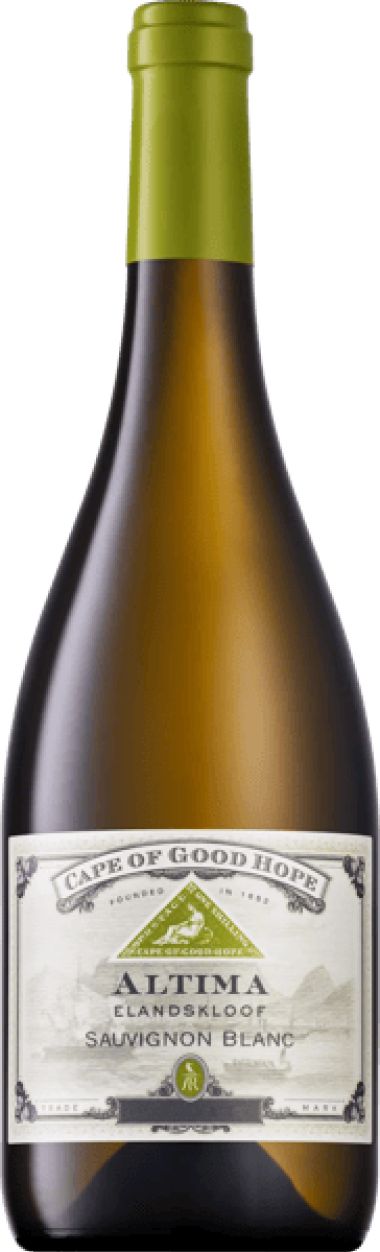
Cape of Good Hope Altima Sauvignon Blanc
The vineyards selected for the Cape of Good Hope range represent some of the oldest vines in the country, lovingly tended to produce only the finest reflection of their terroir. Altima Farm is situated in Elandskloof, an isolated valley north of Villiersdorp which is 5km wide and is surrounded by a steep mountain range that rises 1km from the valley floor. The vineyards produce an intense Sauvignon Blanc with a fresh expression of passion fruit, gooseberry, citrus and freshly cut grass.
Riebeeksrivier 31
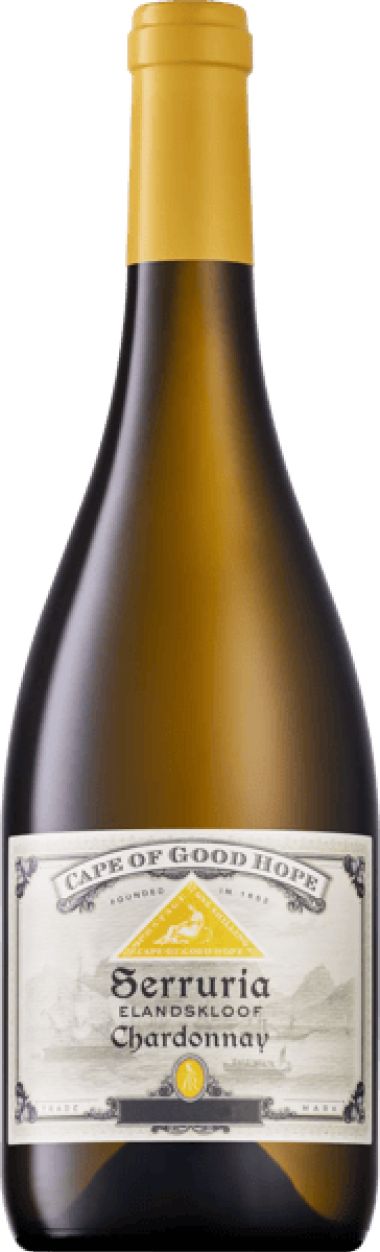
Cape of Good Hope Serruria Chardonnay
The vineyards selected for the Cape of Good Hope range represent some of the oldest vines in the country, lovingly tended to produce only the finest reflection of their terroir. Altima is situated in Elandskloof, an isolated valley north of Villiersdorp. This unique site produces fruit with a high natural acidity and low pH levels which contribute to the ageing potential of the wine.
Riebeeksrivier 31
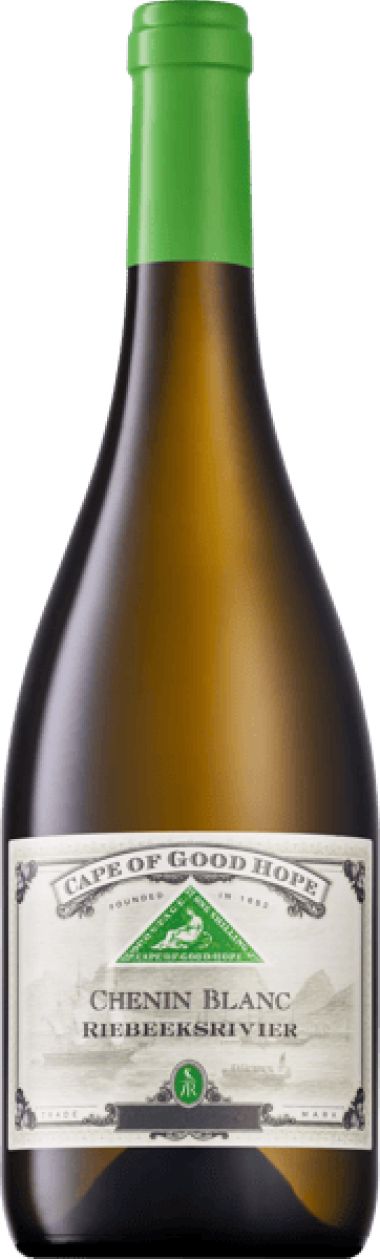
Cape of Good Hope Riebeeksrivier Chenin Blanc
The vineyards selected for the Cape of Good Hope range represent some of the oldest vines in the country, lovingly tended to produce only the finest reflection of their terroir. The Riebeeksrivier farm is situated on the slopes of the Kasteelberg, overlooking the Swartland towards iconic Table Mountain. Its unique terroir, especially the Rhône-like shale soils, expresses itself strongly in the wine with unique varietal characteristics.
Riebeeksrivier 31
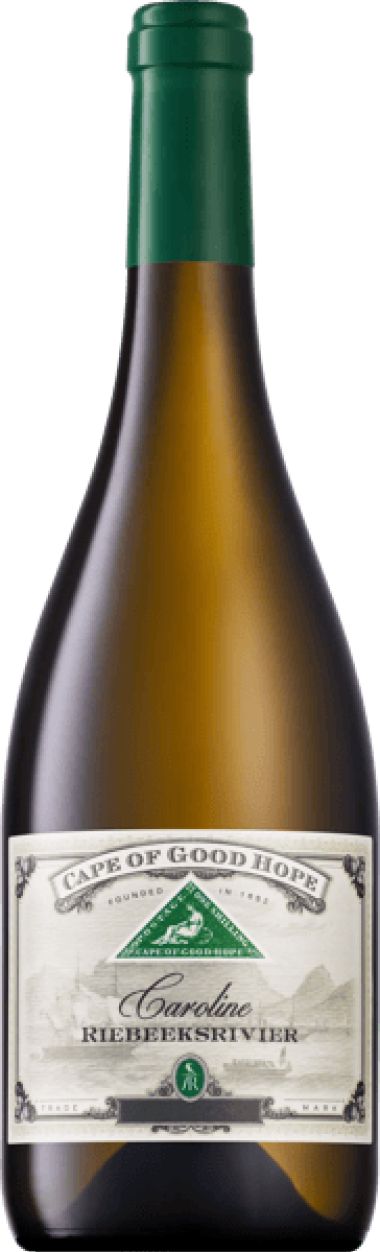
Cape of Good Hope Riebeeksrivier Caroline
The vineyards selected for the Cape of Good Hope range represent some of the oldest vines in the country, lovingly tended to produce only the finest reflection of their terroir. The Riebeeksrivier farm is situated on the slopes of the Kasteelberg, overlooking the Swartland towards the iconic Table Mountain. The higher density plantings of Viognier (2009), Roussanne (2009) and Marsanne (2011/12) are all échalas trellised (vine trained on its own wooden stake).
Riebeeksrivier 31
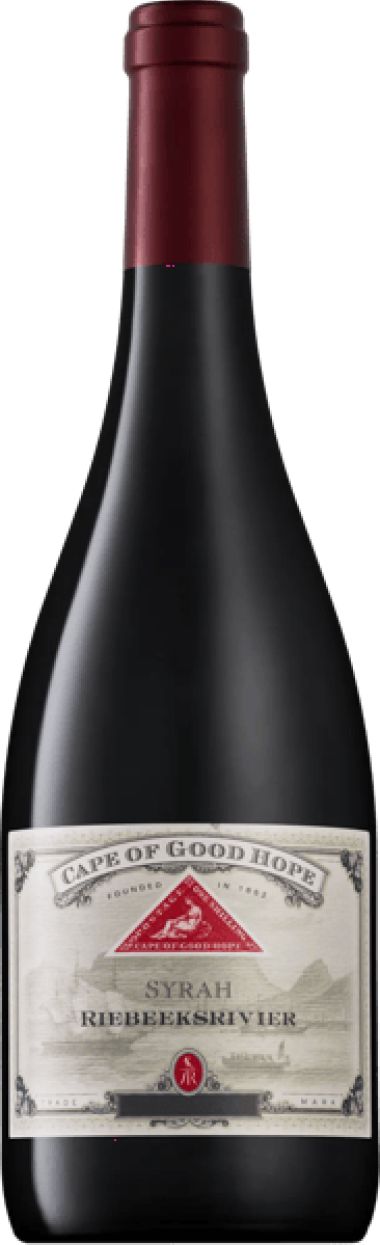
Cape of Good Hope Riebeeksrivier Syrah
The vineyards selected for the Cape of Good Hope range represent some of the oldest vines in the country, lovingly tended to produce only the finest reflection of their terroir. This wine was produced from grapes from the Riebeeksrivier farm in the Swartland, which is situated on the slopes of the Riebeek Kasteel Mountains on the Malmesbury side. These vineyards are planted on schist and clay soils on the Southern and Western slopes of the farm.
Riebeeksrivier 31
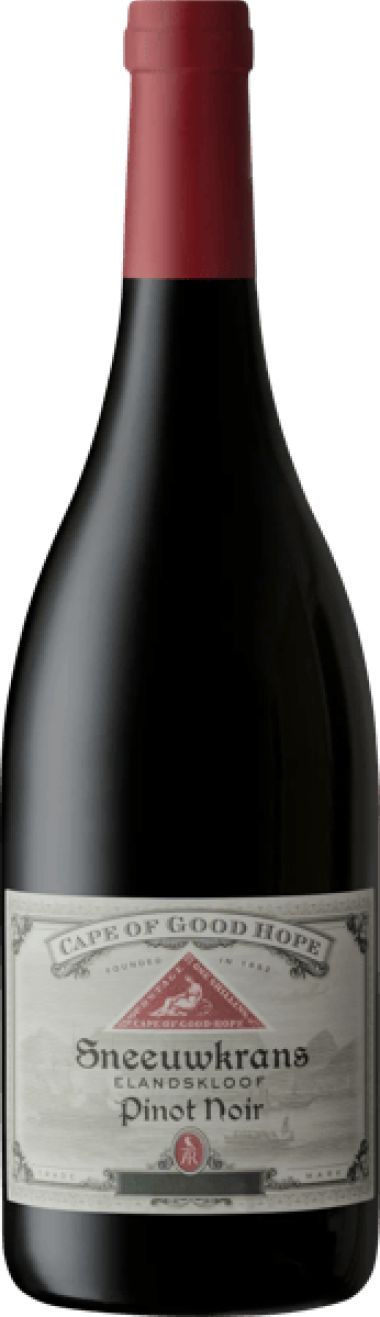
Cape of Good Hope Sneeuwkrans Pinot Noir
The vineyards selected for the Cape of Good Hope range represent some of the oldest vines in the country, lovingly tended to produce only the finest reflection of their terroir. Altima is situated in Elandskloof, an isolated valley north of Villiersdorp. This unique terroir produces wines with a high natural acidity and upfront aromas. Grapes are harvested traditionally much later than other sites in the Western Cape, usually only starting early in March. This vineyard produces an intense Pinot noir character with rich red fruit and a very fine and layered structure.
Riebeeksrivier 31
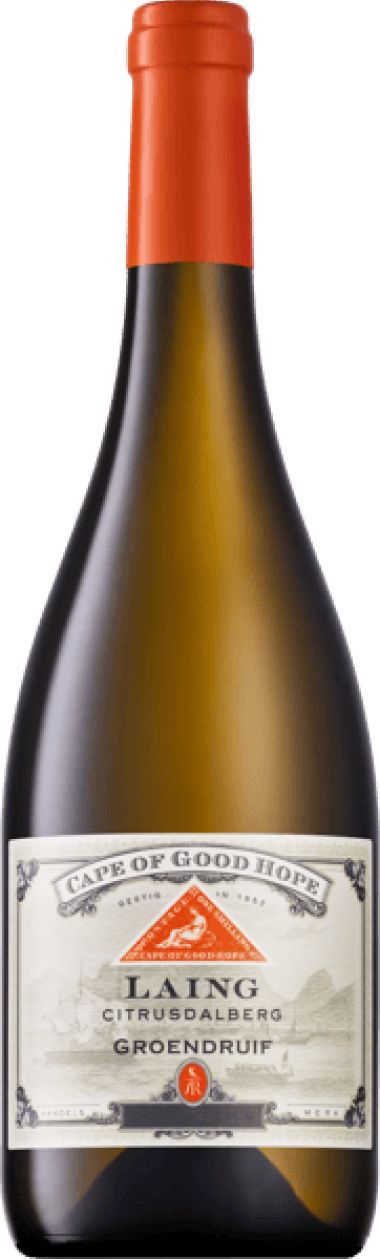
Cape of Good Hope Groendruif Semillon
The grapes were harvested and transported approximately 260 kilometres to the cellar in refrigerated trucks to preserve freshness, then cooled overnight upon arrival. The next day, each bunch was hand-sorted, followed by a gentle whole-bunch pressing to extract delicate flavours. The juice was allowed to settle overnight before being racked into a combination of second- and third-fill 500L French oak barrels. Here, spontaneous fermentation occurred, initiated by native yeasts to enhance complexity and authentic character. The wine was aged on fine lees for six months, adding texture and complexity, while malolactic fermentation was intentionally avoided to retain vibrant acidity. Finally, the wine was blended and bottled, capturing the vineyard’s unique terroir.